

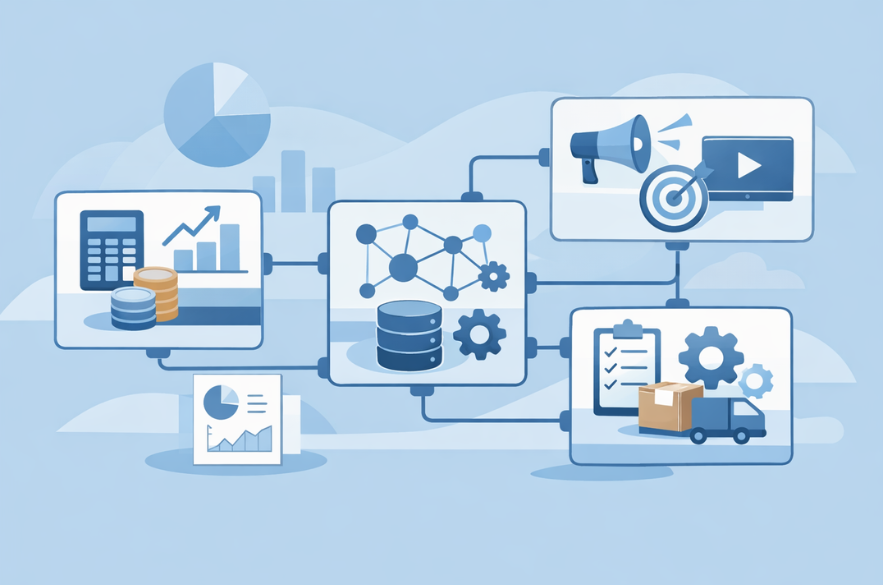
Artificial intelligence is often discussed as if it begins with models, tools, or automation platforms. In reality, AI begins much earlier with the quality, structure, and reliability of everyday business data. Invoices, CRM records, support tickets, website analytics, operational logs, spreadsheets; most organisations already sit on vast amounts of data. The challenge is that raw business data is rarely ready for AI.
AI systems do not create clarity from chaos. They amplify whatever data foundations already exist, good or bad.
Why AI Projects Fail Before They Start
Industry research consistently shows that data quality is the primary barrier to successful AI adoption. According to IBM, poor data quality costs organisations an estimated $3.1 trillion annually in the US alone, largely due to inefficiency, rework, and poor decision-making.
McKinsey reports that most AI initiatives stall not because of algorithmic limitations, but because data is fragmented, inconsistent, or unreliable. This applies especially to SMBs, where data grows organically across tools and teams without a unified strategy.
What “AI-Ready Data” Actually Means
AI-ready data does not mean big data or perfect data. It means data that is:
- Accurate – reflects reality
- Consistent – defined the same way across systems
- Complete – not missing critical fields
- Structured or classifiable – usable by analytical systems
- Accessible – available without manual extraction
- Governed – ownership and responsibility are clear
The OECD defines data readiness as a prerequisite for trustworthy AI, emphasising quality, provenance, and contextual integrity. Without these characteristics, AI outputs become unreliable, no matter how advanced the tool.
Everyday Data Sources That Can Become AI Assets
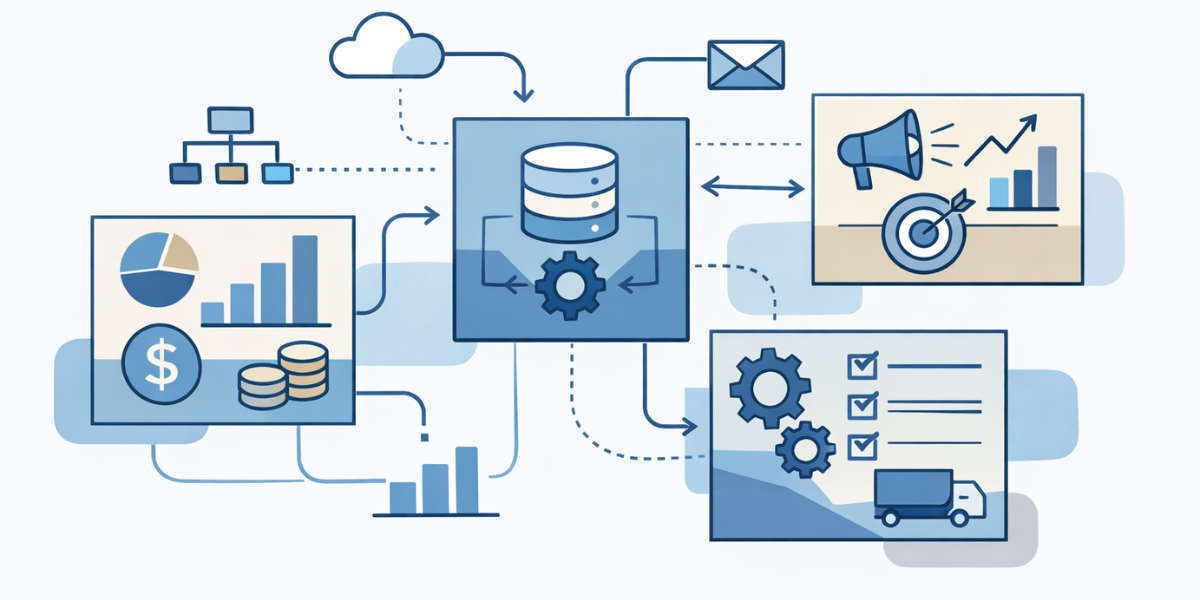
Most SMBs already collect valuable data in places such as:
- Finance systems (invoices, payments, costs)
- CRM platforms (leads, customers, interactions)
- Marketing tools (campaigns, engagement, attribution)
- Support systems (tickets, issues, response times)
- Operational spreadsheets (planning, forecasting, tracking)
Individually, these datasets support reporting. When cleaned, integrated, and aligned, they become decision-grade assets that AI can work with.
The Common Data Problems That Block AI
1. Inconsistent Definitions
The same metric often means different things across systems:
- “Customer”
- “Active user”
- “Revenue”
- “Lead”
AI cannot resolve semantic disagreement. According to MIT Sloan, inconsistent data definitions are one of the most common causes of analytics failure.

2. Manual, Spreadsheet-Driven Processes
Spreadsheets remain essential, but manual handling introduces:
- Errors
- Version conflicts
- Delays
- Loss of lineage
The UK Office for National Statistics highlights that while spreadsheet use is widespread among SMEs, it limits scalability and automation potential. AI relies on repeatable, machine-readable data flows.
3. Fragmented Systems
Data scattered across unconnected tools creates partial views of reality.
For example:
- CRM not aligned with finance
- Marketing data disconnected from sales outcomes
- Support data isolated from customer value
According to Gartner, integration issues are among the top reasons data and AI initiatives fail to scale.
The Practical Path to AI-Ready Data
Step 1: Identify Decision-Critical Data
AI should support decisions, not curiosity.
Start by asking:
- Which decisions matter most?
- What data informs those decisions today?
- Where does uncertainty remain?
This avoids unnecessary data work.
Step 2: Clean What Matters First
Data cleaning is not about perfection, it is about fitness for purpose.
Focus on:
- Removing duplicates
- Fixing inconsistent formats
- Standardising key fields
- Addressing missing values that affect decisions
ISO 8000 standards highlight data quality as contextual, data is “good” only if it supports its intended use.
Step 3: Integrate Key Systems
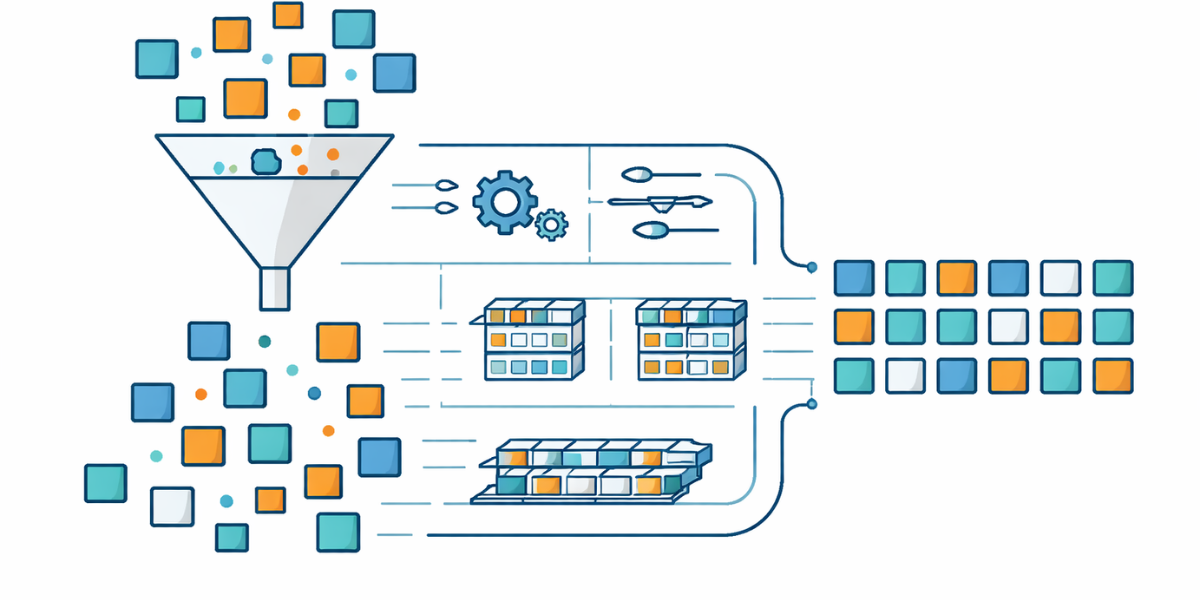
AI benefits most when data reflects the full business journey.
Integrating:
- CRM + finance
- Sales + marketing
- Support + customer data
creates a foundation for meaningful insight rather than isolated optimisation.
Step 4: Establish Basic Governance
Governance does not mean bureaucracy.
It means:
- Clear ownership of datasets
- Defined update responsibilities
- Documented definitions
- Controlled access
The UK Government’s Data Ethics Framework stresses that even small organisations need clarity over data responsibility before using advanced analytics.
Why AI Amplifies Data Quality
AI does not fix poor data, it scales it. If inputs are inconsistent, biased, or incomplete, AI systems:
- produce misleading outputs
- reinforce existing errors
- erode trust quickly
This is why organisations that rush into AI without data readiness often abandon initiatives shortly after launch.
From Data Asset to AI Capability
When everyday data becomes AI-ready, businesses gain:
- Faster, more confident decisions
- Reduced manual reporting effort
- Better forecasting and planning
- Clearer customer insight
- Scalable automation opportunities
Importantly, this progress is incremental, not a single “AI project.”
Conclusion
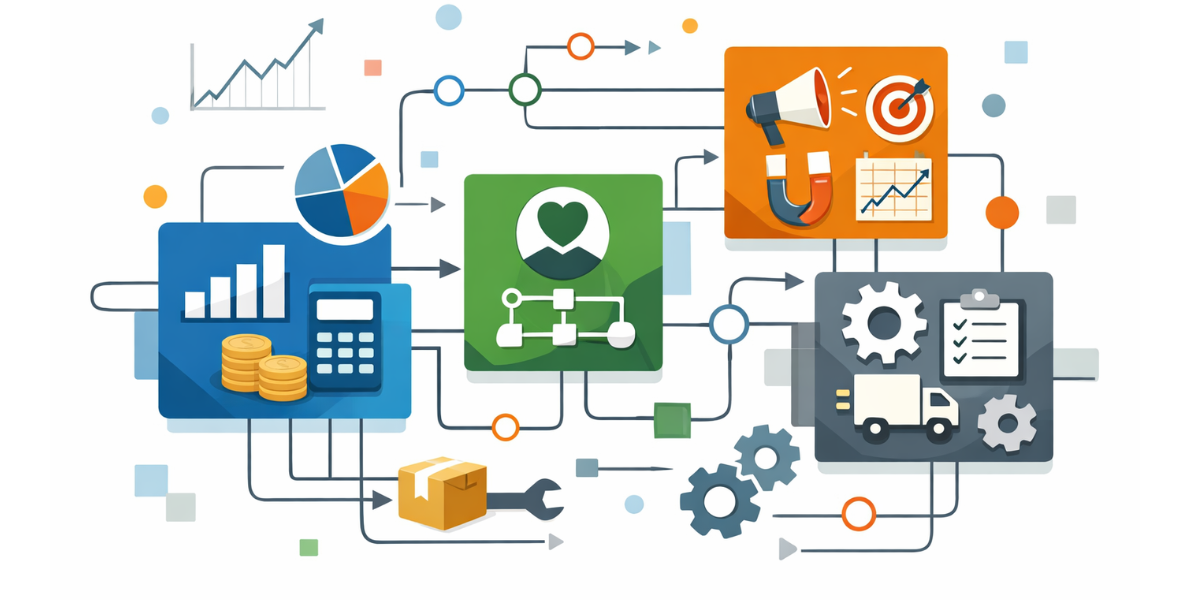
Turning everyday business data into AI-ready assets is not a technical challenge first, it is an organisational one.
AI success depends less on tools and more on:
- clarity
- consistency
- integration
- governance
Organisations that invest in data readiness build AI capabilities that are reliable, explainable, and genuinely useful, rather than experimental. AI does not start with algorithms, it starts with data foundations.
At I-Net Software Solutions, we help organisations transform fragmented, everyday data into AI-ready assets that support real decision-making.
Our Data Readiness & Integration Assessments help you:
- identify critical data gaps
- clean and standardise what matters
- integrate key systems
- prepare safely for AI and advanced analytics
If AI is on your roadmap, data readiness is the first step.