

Author name: Nimish

I‑Net Software Solutions delighted to announce inclusion on HM Government G‑Cloud 15 Supplier framework for Cloud Support Services.
News & Insights

G‑Cloud 15: I‑Net Software Solutions Now an Approved UK Public Sector Cloud Supplier

I‑Net Software Solutions is now an approved supplier on G‑Cloud 15, supporting UK public sector organisations with secure, scalable cloud support services. Public sector organisations across the UK are under pressure to modernise legacy systems, strengthen security, and deliver better digital services for citizens. Yet cloud adoption can feel complex, risky, and resource‑heavy especially for teams already stretched thin. Downtime, compliance gaps, and rising cyber threats make cloud transformation even more challenging for councils, NHS trusts, and government bodies. I‑Net Software Solutions has already supported public sector organisations through G‑Cloud 14, and our continued inclusion in G‑Cloud 15 reinforces our commitment to delivering secure, scalable, and future‑ready cloud support services. What G‑Cloud 15 Means for UK Public Sector Organisations G‑Cloud 15 is the UK Government’s flagship cloud procurement framework, enabling public sector organisations to procure cloud hosting, software, and support services quickly and transparently. Being listed ensures suppliers meet strict standards around capability, security, and service quality. For buyers, this means faster procurement, reduced risk, and access to pre‑vetted cloud specialists. Our Cloud Support Services for the UK Public Sector As part of our G‑Cloud 15 listing, our offering includes: Cloud Strategy & Migration – We help organisations assess readiness, design secure cloud architectures, and migrate legacy systems with minimal disruption. Cloud DevOps & Automation – We accelerate delivery through CI/CD pipelines, automated deployments, and cloud‑native engineering. Cloud Security & Compliance – We strengthen cloud environments with security hardening, identity management, and alignment to UK public sector compliance standards. Managed Cloud & IT Support – We provide 24/7 monitoring, proactive incident response, and high‑availability operations backed by strong performance metrics. Digital Transformation & AI‑Driven Optimisation – We support organisations in modernising workflows, automating processes, and using data and AI to improve decision‑making. Building on Our G‑Cloud 14 Success Our work under G‑Cloud 14 enabled public sector organisations to modernise critical systems, improve operational resilience, and strengthen cloud security. G‑Cloud 15 allows us to continue this momentum, offering enhanced cloud support services aligned with evolving government priorities and digital transformation goals. Why Public Sector Organisations Choose I‑Net Software Solutions With nearly two decades of experience supporting UK public sector organisations, I‑Net delivers trusted cloud expertise backed by strong security and a cloud‑first engineering approach. Our G‑Cloud 15 listing reinforces this commitment, enabling organisations to procure reliable cloud support for migration, optimisation, and long‑term digital transformation through the Digital Marketplace. Explore our Cloud Support Services or speak to an I‑Net Software Solutions consultant today. Connect with us on LinkedIn “Our continued inclusion in G‑Cloud from G‑Cloud 14 through to G‑Cloud 15 reflects our commitment to delivering secure, reliable, and future‑ready cloud solutions for the UK public sector. We are proud to support organisations that serve millions of citizens, and we remain focused on helping them modernise with confidence and clarity.”   — Srinivas Gunda, CEO, I‑Net Software Solutions Frequently Asked Questions
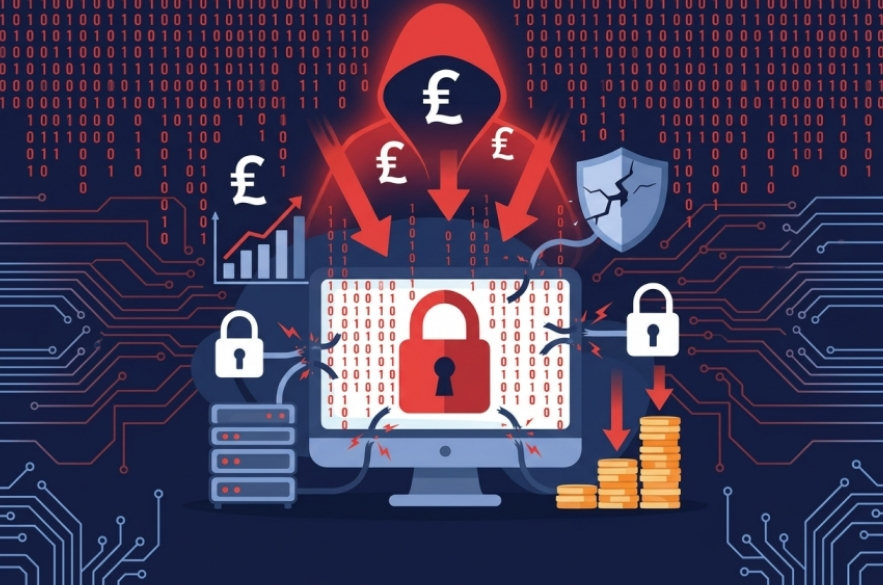
Illustration showing a cyber attack targeting a UK business network, red warning icons, pound signs, and data locks symbolising financial loss and system compromise.
News & Insights

How Much Does a Cyber Attack Actually Cost a UK Small Business in 2026?

Cyber‑attacks are becoming more frequent and more expensive for UK organisations. The latest UK Government research shows that a significant proportion of businesses experienced a cyber breach or attack in the past year. The financial impact continues to rise, with the average cost of a significant cyber incident now estimated at £195,000 for UK businesses. Across the wider economy, cyber attacks are estimated to cost the UK £14.7 billion annually. For many organisations, the real shock is not the breach itself. It is the chain reaction that follows. A single cyber attack can trigger operational shutdowns, legal obligations, customer loss and weeks of disruption, a pattern reflected across the latest NCSC reporting and global analysis from the World Economic Forum. Attackers now move faster and target smaller firms more aggressively, which means the financial damage builds quickly. This guide breaks down every cost category you need to understand, from direct recovery to GDPR fines, so you can see the full financial impact and what it means for your business. How Much Does a Data Breach Cost a UK Business? The cost of a data breach in the UK varies widely, but every credible source shows the same trend. It is rising quickly. The latest NCSC cyber security report UK confirms that a significant number of organisations identified a breach in the past year, and many of these incidents resulted in direct financial loss. When you look at the full picture, the question how much does a data breach cost UK businesses has no single answer, but there are clear cost ranges that most small firms fall into. A breach typically generates several direct expenses, which can start at a few thousand pounds and rise sharply depending on the scale of the incident. Beyond the technical recovery, businesses often face lost revenue, staff overtime, customer refunds and the time spent managing the incident. Direct data breach cost factors include: For many small businesses, the financial impact ranges from £15,000 to £110,000. Ransomware Recovery Costs: What UK Businesses Are Really Paying Ransomware remains the most financially damaging attack type. The financial impact of a cyber attack UK businesses face goes far beyond the ransom demand itself. Typical cost components include: Hiring an external cyber incident response UK team alone can cost between £5,000 and £50,000, depending on severity. Research from Forrester shows that modern ransomware attacks are becoming more disruptive, which increases recovery time and cost. The ransomware recovery cost UK SMEs face often exceeds £100,000 when downtime and lost sales are included. The Hidden Costs: Downtime, Business Interruption and Lost Productivity The financial impact of a cyber attack is rarely limited to technical recovery. For many organisations, the most expensive part is the downtime that follows. Even a short interruption can slow sales, delay service delivery and prevent staff from completing essential work. Common hidden cost areas include: These costs build quickly. A single day of downtime can cost a small business thousands of pounds, especially if it relies on online sales, bookings or internal systems to operate. The impact is even greater when the attack affects customer‑facing services or critical internal processes. Productivity loss also continues after systems come back online. Teams often spend days catching up on missed work, re‑entering data, checking for errors and managing customer concerns. This extended disruption adds to the overall financial burden and slows down normal business activity. GDPR Fines and Legal Costs After a Data Breach A data breach does not only create technical and operational costs. It also triggers legal and regulatory obligations that can increase the overall financial impact. UK organisations must follow strict GDPR and ICO reporting rules, especially when personal data is exposed. Typical legal and compliance cost areas include: GDPR fines vary depending on the severity of the breach, the type of data involved and whether the organisation had appropriate security controls in place. Even smaller fines can create financial pressure for a small business, especially when combined with legal fees and customer compensation. Many organisations also face indirect legal costs. These include time spent preparing statements, responding to customer concerns, reviewing contracts and updating internal policies. This additional workload slows down normal operations and adds to the overall cost of the incident. Reputational Damage: The Long-Term Cost Nobody Talks About The financial impact of a cyber attack does not end when systems are restored. Reputational damage can create long term consequences that are harder to measure but often more costly than the initial incident. Customers lose confidence quickly when their data is exposed or when a business experiences prolonged downtime. Common reputational impact areas include: Rebuilding trust takes time. Many small businesses see a drop in customer engagement for months after a breach, even if the technical issues are resolved. Prospective clients may also hesitate to work with a business that has recently suffered a cyber incident, especially in sectors where data protection is critical. Marketing and communication efforts often increase after a breach. Businesses may need to invest in customer reassurance campaigns, updated messaging and improved transparency. These additional costs add to the overall financial impact and extend the recovery period. How to Reduce the Cost of a Cyber Attack for Your Business The financial impact of a cyber attack can be significantly reduced with the right controls in place. Most of the cost comes from downtime, recovery work and the disruption that follows. Strengthening your security posture lowers the likelihood of an incident and reduces the scale of damage if one occurs. Key steps that help reduce cyber attack costs include: These measures help limit the spread of an attack, reduce downtime and speed up recovery. Even simple improvements, such as stronger passwords or better backup routines, can prevent a small incident from becoming a costly disruption. Businesses that prepare in advance recover faster and face fewer long term consequences. A clear plan, reliable backups and strong security controls make the biggest difference when an incident occurs. What This Means for UK Business Leaders

Scroll to Top